January brings strong growth for UK Hospitality

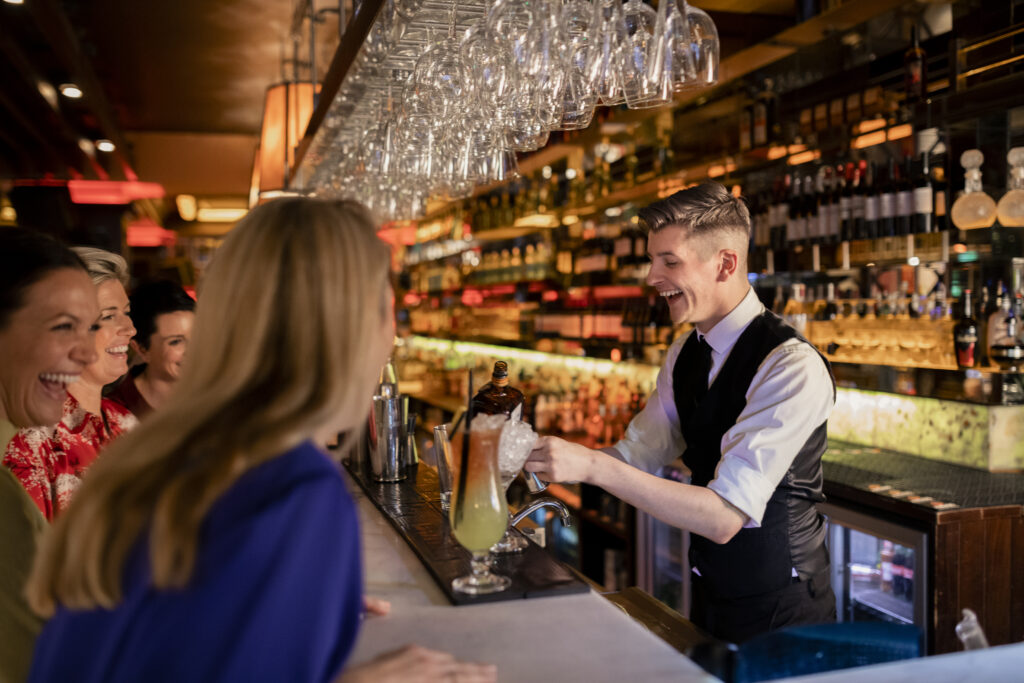
The latest figures from S4labour show another encouraging month for UK hospitality, with overall like for like sales up 5.5% in January compared to the same period last year.

This builds on the momentum seen in December, when sales rose 3.4%. London delivered another strong month of trading, with an 8.3% uplift in like for like sales. Trading outside the capital also remained firmly positive, with non London regions reporting a 4.5% increase year on year.

Richard Hartley, chief growth officer at S4labour, said the figures point to sustained consumer demand as operators move through the early part of the year, despite the well known challenges that typically accompany the post Christmas trading period. He added:

“January like-for-like sales are always a good litmus test of consumer confidence and these numbers are encouraging. Those with a keen eye will be aware there is an additional Saturday in this year’s numbers, which will have inflated the position slightly, but nonetheless, operators should be buoyed by these numbers.”

Happy New Year

happy new year - thought leadership article

I think this message rings hollow for a lot of hospitality operators. Over the last few years, we have seen our cost base increase massively, and for many people, waking up in the new year has meant worrying about their businesses.

Let’s not forget there are a significant number who live above the shop, so they’re worrying about their homes as well. Judging by my own business, the Christmas numbers were steady, not exciting. The good days were really good, but the off days were noticeably quieter.

And now, we’re all worrying what this month and the rest of the year will look like. Will everyone be saving money and dieting? We can’t do a lot about changing consumer habits, but what we can do is adjust our businesses to make them better and more suitable for the future market. So, what are we doing?

I’m writing this article sitting in my own village pub at 10.30am, with ten people in for coffee and breakfast. Growing breakfast and coffee trade has been a slow process – it isn’t easy to get people to realise we’re open at 10am every day. But now, it’s a profitable session for us, and it’s all growth from here. We’re even offering 50% off breakfast in January to keep driving awareness that we’re open!

The next thing we’re working on this year is corporate events. We’re developing our own collateral, and one of our team will focus on getting more corporate bookings. We’ll invest in someone going out to businesses to drum up trade. We’ve also bought our own darts board and now we have weekly darts – a new venture for us that’s proving popular with locals. And finally, something a bit more left field: we’re going to try selling local, high-quality meat to our customers. We have two local farmers keen to sell us their meat directly, which will hopefully give us another source of income.

The point is, the village pub needs to keep diversifying. As the government pushes up our break-even point by unreasonable amounts, we have to find ways to grow sales just to keep our heads above water. There are plenty of things we can do to expand our business, and that’s now essential for survival.

Of course, we also need to get better at everything we do – from maxing out Sunday lunch to delivering friendly, memorable service, and food and drink that works for our market. In our business, we’ll still be trying to raise quality and slightly decrease portion sizes for the next menu, as well as putting real effort into our barbecue offer.

But we also need to look at our cost lines and manage them even better. As I sit here now, we have chefs delivering food to tables because that menu allows us to run with only one front-of-house. We’re also focusing on shifting prep away from the morning – a constant battle! Labour is my specialist subject, and you might think after 12 years of running the same pub we’d have it nailed.

Sadly, no – we keep improving and need to keep finding every little item to make us more efficient. We’re also going to review all our cost lines and tighten up everything we do. Gardening, music, quiz costs and cleaning materials are all lined up for a good hard stare.

So, lots of work ahead to make the most of our business. It’s all hard work, but hopefully, it will yield more than just standing still from a profit perspective. We feel positive, but we’ll need to be ruthless and focused at every level of the business. We’ve written our objectives – now we need to deliver them!

I hope this article gives you something to focus on, and more hope and determination to tackle what needs to be done in your business. It’s certainly helped me just writing it.

Alastair Scott is chief executive of S4labour and owner of Malvern Inns

What the April 2026 Employment Law Changes Mean for Hospitality Operators

The reforms arriving in April 2026 under the Employment Rights Bill represent one of the biggest shifts in UK employment law in decades. With tight margins, high turnover, and a workforce that often includes students, part‑timers, and seasonal staff, these changes will land differently in hospitality than in many other industries. 

So, here’s what operators need to know – and what to start preparing for now.

Day One Family Leave Rights: No More Waiting Periods

From April 2026, both paternity leave and ordinary parental leave become day one rights. That means: 

  • No 26‑week qualifying period for paternity leave 
  • No one‑year service requirement for ordinary parental leave 

For hospitality, where many employees are new starters or seasonal hires, this is a significant shift. Operators will need clear processes for handling requests from employees who may have only just joined the team. 

Statutory Sick Pay Reform: Payable from Day One 

SSP will now be payable from the first day of sickness, and the lower earnings limit is being removed. This means: 

  • More team members will qualify 
  • Absence costs may increase 
  • Managers will need to record sickness accurately from the very first shift 

In addition, the SSP rate will be the lower of either 80% of an employee’s average weekly earnings or the flat rate of £123.85. Because the lower earnings limit is being removed, more employees with weekly earnings below the fixed rate will now receive 80% of their average weekly earnings rather than the full flat rate. This is likely to be particularly relevant in hospitality, where many workers have variable or lower weekly earnings. 

Given hospitality’s reliance on flexible and part‑time workers, this reform will likely have a noticeable operational and financial impact.

Higher Penalties for Collective Redundancy Failures

The maximum protective award for failing to consult properly in a collective redundancy situation will double from 90 days’ pay to 180 days’ pay. 

While collective redundancies are less common in hospitality than in some sectors, operators with multiple sites or large teams must take consultation duties seriously. The financial risk of getting it wrong is now significantly higher. 

Hospitality operators can trigger collective redundancy rules more easily than expected, especially when: 

  • Closing a site 
  • Restructuring across multiple venues 
  • Outsourcing functions like housekeeping or kitchen operations 
  • Seasonal staffing changes in larger businesses 

Even if redundancies are rare, knowing the threshold helps avoid accidental non‑compliance.

Stronger Whistleblowing Protections

Sexual harassment will become a qualifying disclosure under whistleblowing law. This gives workers stronger protection from detriment or unfair dismissal when reporting concerns. 

For hospitality – where young workers, late‑night environments, and customer‑facing roles can increase vulnerability, this change reinforces the need for: 

  • Clear reporting channels 
  • Zero‑tolerance policies 
  • Properly trained managers

Trade Union and Worker Rights: A More Accessible System

Several reforms will make union engagement more straightforward. The changes include simplified union recognition processes, electronic voting for ballots, and a new Fair Work Agency to enforce rights such as holiday pay and sick pay. 

Hospitality businesses often deal with: 

  • High turnover 
  • Young workers 
  • Multiple sites 
  • Varied shift patterns 

These factors make union processes more complex than in other sectors. 

The simplification reforms mean: 

  • Less admin when dealing with unions 
  • Clearer rules on what you must do 
  • Faster processes (no long postal ballots) 
  • More transparency for both sides 
  • Fewer disputes about technicalities 

Operators should expect more structured interactions with unions and potentially more scrutiny around compliance.

Gender Pay and Menopause Action Plans 

Employers will be encouraged to create action plans on: 

  • Gender pay gaps 
  • Menopause support 

These will be voluntary at first, but mandatory requirements are expected from 2027. Hospitality businesses with diverse, multi‑generational teams may find early adoption beneficial for retention and culture. 

How These Changes Fit into the Bigger Picture 

April 2026 is just the first phase of the Employment Rights Bill rollout. Further reforms, including fire‑and‑rehire restrictions, extended tribunal time limits, and new harassment prevention duties are scheduled for late 2026 and 2027. 

This is a multi‑year transformation of UK employment law, and hospitality operators who prepare early will be in the strongest position.

What Hospitality Employers Should Do Now 

To get ahead of the April 2026 changes, operators should: 

  • Update contracts, handbooks, and policies 
  • Train managers on new day‑one rights and SSP rules 
  • Review redundancy processes and consultation frameworks 
  • Strengthen whistleblowing and harassment reporting procedures 
  • Begin conversations with union reps where relevant 

The earlier these steps are taken, the smoother the transition will be. 

How S4labour Can Support 

S4labour supports operators by keeping workforce information accurate and accessible, helping them navigate changing employment requirements with confidence.

The only change being added into S4labour at this stage is the updated SSP functionality. If you’re a customer, we’ll be in touch over the next couple of months to explain exactly how S4labour will support you through these changes. 

Why Habits and Behaviours Matter More Than Ever

When January Runs Dry: Why Habits and Behaviours Matter More Than Ever

The festive season was always my favourite time of year to be front-facing in hospitality. Joyful guests, hardworking teams and tills ringing. Unfortunately, what often followed was quite the opposite. January is, without doubt, the time of year that can easily undo all of that good work if it’s not treated as an opportunity for scrutiny, planning and reflection. It’s far too often we see businesses drop the ball in the downtime, often caused by the optimism of a strong Christmas period and that age old “it can’t possibly get as quiet as last year” mentality.  

I’d like to think that, in my 13 back-to-back festive periods, I learnt a thing or two about how to combat these challenges – and even more so in the past five years, working alongside operations teams to really get into the detail of why managing quiet periods is just as important as taking the money when it’s there to be had. 

We all know that our industry is no doubt facing the toughest challenges we ever have. Without mentioning the dreaded “B” word, we were already in a situation where staffing shortages, high turnover and yearly wage bill rises have put pay to several businesses that would otherwise have survived.  

The good news is, we have seen multiple operators not only ride this wave but thrive off the back of implementing great practices and focusing on efficiency and productivity. I run the Operational Excellence team at S4labour, we’re all ex-operators that spend our time training, coaching and developing managers to put habits and behaviours at the core of everything they do.  

What Does Operational Excellence Mean to Us?

Habits & Behaviours Are at the Key: It’s not just about systems; it’s about embedding the right behaviours into daily routines.  

Embed a Culture of Continuous Improvement: Teams that consistently apply best practices deliver better service and reduce waste. 

Empowerment Through Clarity: Staff should understand what “great” looks like and how their actions impact the business. 

Anybody can implement a system, but without these behavioural focuses, nothing will change. We always focus on delivering three key measures: 

Consistency 

For anybody who has listened to GT (Gareth, a fellow S4labour and ex pub guy) and I chat in our webinars and podcasts, you’ll know I’m a huge believer that you cannot paint every business within your estate with the same brush. Every single site will have its nuances and as such, the time should be taken to understand why and how the GMs operate them the way they do.  

This does not, however, mean that standardised practices and ways of working should not be set in terms of service, product or compliance. We always implement best practice, making operators lives as simple as possible whilst maintaining brand promises. 

Engagement 

Habits‑based training, delivered by people who have been there and done it, gives managers the confidence that it’s all for their benefit… We implement tools from an operator and team perspective, giving managers the motivation to use everything at their disposal to succeed. We used to say it costs on average £1000 to recruit and train a new team member. Given this was back in my Ops days, I’d go as far as to say this is probably more like £1500 today. Adapting our training processes and working to our teams’ generational wants and needs in terms of learning principles and engagement, is key to retaining them. 

Our partners at Purple Story know a thing or two about this, having been through the day myself, I’d say the ‘generations’ workshop is a must for any GM – it’s certainly given us a few more strings to our training bow. 

Profitability 

Ultimately, this is the output of everything we do. Delivering margins under pressure is becoming increasingly difficult, (yes, I know I said I wouldn’t mention the budget), but getting hold of controllables is essential. We have delivered over 300 Goldilocks visits now, working alongside GMs, Head Chefs and management teams to ensure labour efficiencies are maximised without sacrificing guest service or team turnover. 

On average, we’ve seen a 4%-point reduction in labour margins across our visits, driven by slack reduction and cost saving in some instances, but investment in stress periods to drive sales growth in others. Hence my anti-one-size-fits all mentality.

So, what should we all be doing in the next 6 weeks before Valentine’s Day hopefully kick-starts the year? 


Audit Your Current Practices – Take the time to review everything labour. Attention to detail is key, so invest that time in really understanding your opportunities and use data to make the key decisions. Everything from briefing tactics to communication loops should be scrutinised whilst you have the time.

Invest in Behavioural Training – Don’t just dictate how things should be done – work alongside your teams so that they understand why the way they work is key to success. They may need to accept that doing things differently is not a bad thing, but you need to take them on the journey. 

Leverage Your Tech Stack  I’ll say it again – data-led decisions leave no room for excuses. Use your sales patterns, understand your admin and prep expectations and ACTUAL labour requirements to encourage proper planning and delivery. Prevent last minute decisions around rotas, ordering and stocks by using the tools at your disposal. 

 Programmes like ours will help embed excellence into your everyday operations, but it’s a journey, not a quick fix. I would implore everyone out there to take a step back and plan, don’t just react to the downturn with immediate, rash decisions. 

Start measuring your behaviours and KPI delivery will follow… don’t expect to measure KPIs to change behaviours. 

Strong December Trading Sees Hospitality Sales Rise 3.4% Year‑on‑Year

The latest figures from S4labour show a strong finish to the year for UK hospitality, with overall like‑for‑like sales up 3.4% in December 2025. This marks a significant improvement on the 0.1% like-for-like increase recorded in December 2024 and builds on the 0.9% uplift seen in November, indicating growing momentum across the sector.

London once again outperformed the rest of the country, delivering a 10.5% rise in like‑for‑like sales compared to December last year. Trading outside the capital also remained positive, with non‑London regions reporting a 1.2% increase.

Dry‑led venues recorded a 3.5% uplift year‑on‑year, and wet‑led sites saw sales rise 3.3%, reflecting consistent spending across pubs and bars during the Christmas period.

Richard Hartley, Chief Growth Officer at S4labour, commented: “Consumer’s appear to have saved for the festive season which will have been a welcome relief to operators. However, we start a new year with government’s cost pressures on the horizon and the quietest time of year to navigate – hopefully it won’t be too quiet.”

Why the Rise in 18-21 Minimum Wage is Misguided

I have spent a bit of time looking at minimum wage rates across different countries of the world and trying to get a deeper understanding of the purpose and effect of them. It is fascinating.

If we look at the core minimum wage for those aged 21 and over, the government has always aimed for it to be two-thirds of the median wage in the country. According to some research (although not all), this target has already been achieved, which is why the government is now trying to grow the core minimum wage in line with national wage growth.

At least this means the core minimum wage should now grow only in line with wage inflation. The target of two-thirds of median wages is among the highest in the world – only Mexico sets a higher benchmark.

Economic research has long suggested that the effect of minimum wage on unemployment is low, but increasingly, studies show while this holds true in the short term, it doesn’t in the long term. No surprise there – in the short term, we have to carry on as we are, but in the long term, we will find better ways to run our businesses and shed staff.

Another proven effect of the minimum wage is that it drives inflation – and that inflation hits the very people it is intended to help the hardest of all consumer groups, because it affects the goods they buy more than anyone else. As a result, the increases in the minimum wage produce no economic benefit for those people. The government could, and should, lower the target two-thirds of median wages to 60% and let the rate drift upwards more slowly – it would help everyone.

The government, now that it has hit the target for over-21s, is aggressively pursuing growth in the 18-21 rate so that this cohort have the same wage rates and standards of living as their elders. While this is admirable, it is somewhat academic. It only works if you have a job. If you don’t have a job, then the rate is irrelevant.

Surely the government’s most important objective should be getting more young people into work. With almost one million 16 to 24-year-olds not in employment, education or training (NEETs), we face an even bigger and more worrying challenge. Our NEET rate has risen by 6% year-on-year and is now higher than both the US and Europe.

That must be the priority. If young people don’t learn to work at that age, they may never learn – and there is a serious risk that these million young people go through life without ever working. The UK cannot afford that, and it’s not good for those individuals who suffer as a result.

Hospitality is one of the key industries helping young people take their first steps into the workplace. By my calculations, we employ around 5% of the country’s 16 to 24-year-olds. When the government damages our industry, it also damages the prospects of countless young people trying to get that crucial first foothold on the working ladder. And as supermarkets move to cashless tills and the high street continues to contract, where else will young people learn their essential life skills?

In truth, the only reason the minimum wage is so politically acceptable is that it shifts the cost of supporting people on to employers rather than the government. If the government had to pay the difference, I’m sure it would be far less enthusiastic. The average age for leaving home in the UK is now 25, with more than half of 21-year-olds still living with their parents – so the economic need is not as pressing as some suggest.

So come on, government. Stop driving inflation by continually raising the minimum wage and give young people a real chance to get a job and start climbing the employment ladder. Make youth employment a primary objective and recognise that increasing the minimum wage isn’t helping – nor is making the hospitality industry suffer even more.

Alastair Scott is chief executive of S4labour and owner of Malvern Inns